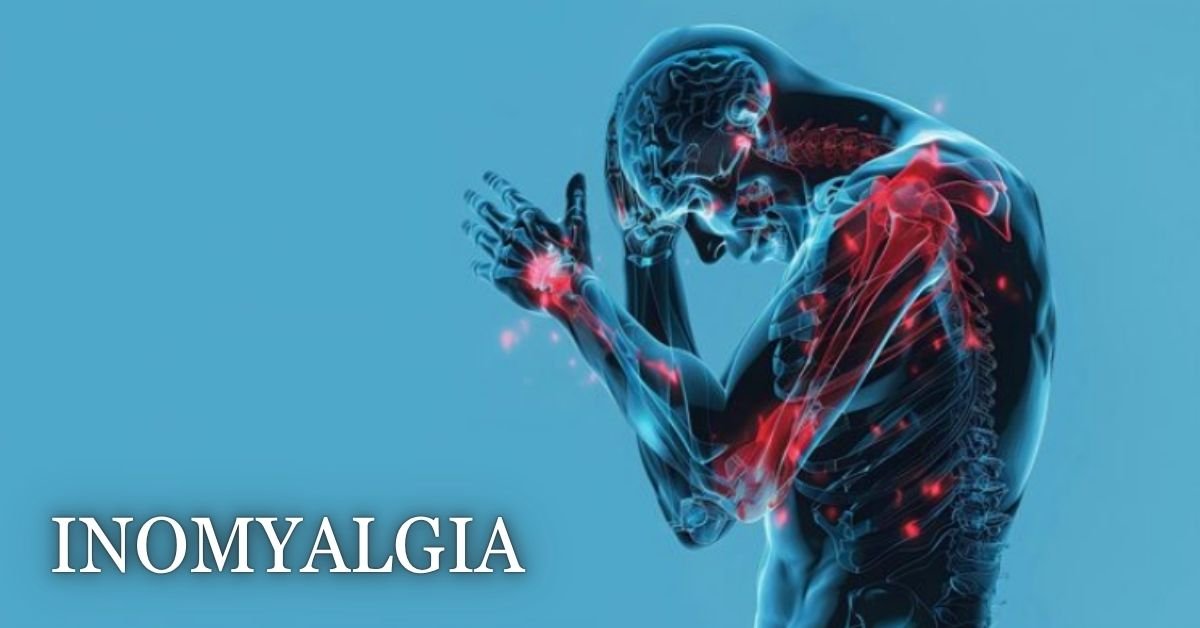
Muscle discomfort can range from a mild ache after exercise to persistent pain that interferes with daily life. One term often encountered when discussing unexplained muscle soreness is inomyalgia, a condition characterized by pain originating within muscle tissues. Whether the discomfort appears after physical activity, during illness, or without a clear cause, understanding what triggers muscle pain is the first step toward effective relief. This guide explores the causes, symptoms, diagnosis, treatment, and prevention strategies for inomyalgia in a practical and easy-to-understand way.
What Is Inomyalgia and Why Does It Occur?
Inomyalgia refers to pain felt directly in the muscles, often described as aching, tenderness, stiffness, or burning sensations. The word combines “myalgia,” meaning muscle pain, with a prefix that emphasizes involvement of internal muscle fibers. While the term is not commonly used in everyday medical practice, it effectively describes muscular discomfort caused by strain, inflammation, infection, or systemic illness.
This condition can affect one specific muscle group or become widespread throughout the body. Some people experience temporary soreness after lifting heavy objects or engaging in intense exercise, while others develop persistent symptoms linked to underlying health issues such as viral infections, autoimmune disorders, or nutritional deficiencies. The severity of inomyalgia varies significantly, but the common factor is that muscles become sensitive and painful, reducing strength and flexibility.
Will You Check This Article: Supermaked Revolution: Modern Retail, Growth & Smart Shopping
Common Causes of Inomyalgia
There are many reasons why muscle pain develops. One of the most common causes is overuse, which occurs when muscles are pushed beyond their normal capacity. Activities such as weightlifting, running, manual labor, or repetitive motions can lead to tiny tears in muscle fibers, resulting in inflammation and soreness.
Infections are another major cause. Viral illnesses like influenza and COVID-19 often trigger generalized body aches as the immune system releases inflammatory chemicals. Bacterial infections may also cause localized muscle tenderness. Chronic conditions such as Fibromyalgia, Polymyositis, and Hypothyroidism can produce ongoing muscular discomfort. Medications, especially cholesterol-lowering drugs like Atorvastatin, may also contribute to muscle pain in some individuals.
Symptoms That Often Accompany Inomyalgia
The hallmark symptom of inomyalgia is muscle pain, but the experience differs from person to person. Some feel a dull, constant ache, while others describe sharp or cramping sensations. Pain may worsen with movement or pressure and improve with rest. In more severe cases, stiffness and weakness can limit everyday activities such as climbing stairs, carrying groceries, or lifting the arms.
Additional symptoms depend on the underlying cause. Fever, fatigue, and body aches often suggest infection. Muscle tenderness combined with morning stiffness may indicate inflammatory disorders. If nutritional deficiencies are involved, symptoms such as cramps, tingling, and general weakness can occur. Persistent or widespread discomfort may also affect sleep quality, mood, and concentration, creating a cycle that intensifies the perception of pain.
How Doctors Diagnose Inomyalgia
Diagnosing inomyalgia begins with a detailed medical history and physical examination. Doctors ask when the pain started, what makes it better or worse, and whether there are associated symptoms such as fatigue, fever, or weakness. They may palpate the affected muscles to check for tenderness, swelling, or reduced range of motion.
Laboratory tests are sometimes necessary to identify the root cause. Blood tests can measure markers of inflammation, thyroid function, vitamin levels, and muscle enzymes such as creatine kinase. Imaging studies like ultrasound or MRI may be used if a muscle tear or structural injury is suspected. In rare cases, specialized tests such as electromyography or muscle biopsy help diagnose inflammatory muscle diseases. The goal is to determine whether the discomfort stems from simple strain or a broader health issue requiring targeted treatment.
Effective Treatments for Inomyalgia
Treatment depends on the cause and severity of symptoms. For muscle strain or exercise-related soreness, rest, hydration, and gentle stretching are often sufficient. Applying ice during the first 24 to 48 hours can reduce inflammation, while heat therapy later helps relax tight muscles and improve circulation.
Over-the-counter medications such as Ibuprofen and Acetaminophen can provide temporary relief. Physical therapy is valuable when pain persists, as it strengthens weak muscles and corrects movement patterns that contribute to discomfort. If an underlying disorder such as hypothyroidism or autoimmune disease is responsible, treating that condition usually leads to significant improvement in inomyalgia symptoms over time.
Lifestyle Changes That Support Muscle Recovery
Daily habits play a major role in reducing muscle pain and promoting healing. Adequate sleep allows muscle tissues to repair and decreases inflammatory stress on the body. Staying hydrated helps maintain electrolyte balance and prevents cramping, especially during hot weather or physical activity.
Nutrition is equally important. Foods rich in magnesium, potassium, vitamin D, and protein support muscle function and recovery. Regular low-impact exercise such as walking, swimming, and yoga improves circulation and flexibility without overloading sensitive muscles. Stress management techniques, including meditation and deep breathing, may also reduce muscle tension and improve the body’s response to pain, making inomyalgia more manageable in the long term.
When Inomyalgia May Signal a Serious Problem
Although most muscle pain is harmless and temporary, certain warning signs deserve prompt medical attention. Severe weakness, dark urine, swelling, or pain accompanied by high fever may indicate significant muscle breakdown or infection. Sudden, unexplained discomfort after starting a new medication should also be evaluated.
Persistent symptoms lasting more than a few weeks may point to chronic conditions such as autoimmune disorders, endocrine imbalances, or neurological disease. If the pain interferes with normal activities, sleep, or quality of life, professional assessment is important. Early diagnosis can prevent complications and ensure the most effective treatment plan for the underlying cause of inomyalgia.
Conclusion
Inomyalgia is a descriptive term for muscle pain that can arise from exercise, infections, medication effects, or chronic medical conditions. While occasional soreness is a normal part of life, persistent or unexplained discomfort deserves closer attention. By understanding the symptoms, recognizing possible causes, and adopting supportive lifestyle habits, most people can reduce pain and restore normal muscle function. If inomyalgia becomes severe or long-lasting, medical evaluation can uncover hidden issues and guide treatment toward lasting relief.
Read More : supportive