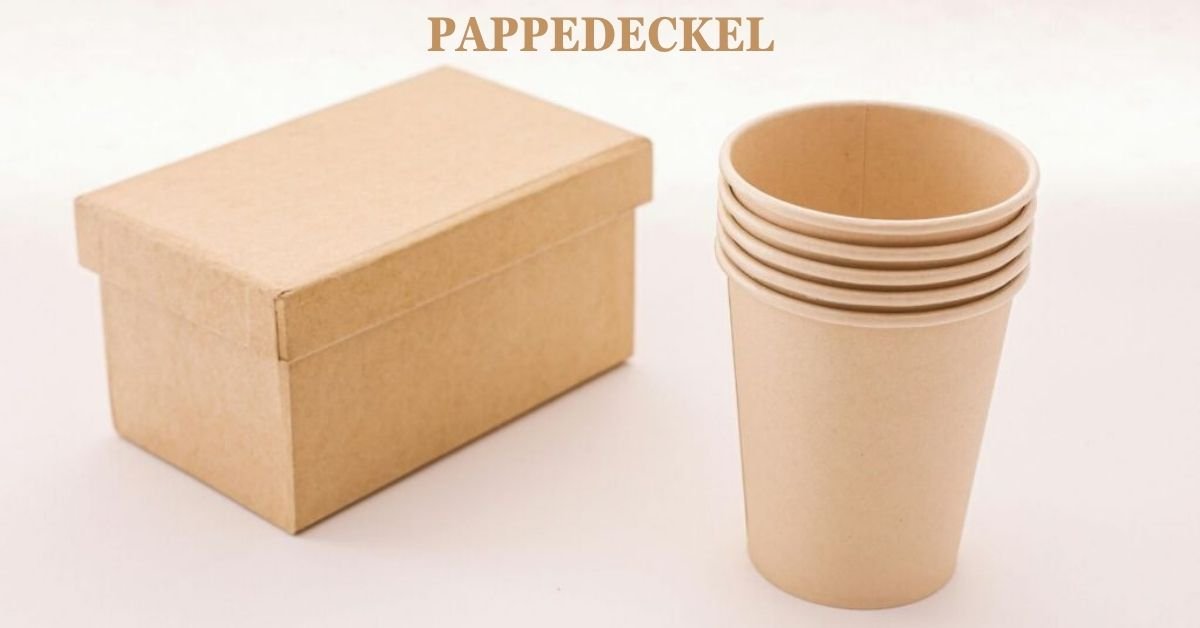
In an era where sustainability, product protection, and cost efficiency shape industrial decisions, packaging materials have become more important than ever. Among the many options available today, pappedeckel has emerged as a practical and environmentally responsible solution for businesses and consumers alike. Its versatility, durability, and recyclability make it a preferred choice across numerous industries. From protecting delicate products during transportation to enhancing presentation on retail shelves, this material continues to gain relevance. As companies seek greener alternatives to plastic and other less sustainable resources, pappedeckel stands out as a reliable option that aligns with modern environmental and economic priorities.
Understanding Pappedeckel and Its Core Characteristics
Pappedeckel refers to a sturdy cardboard or paperboard lid commonly used in packaging, storage, and transportation applications. It is manufactured using compressed paper fibers that create a strong yet lightweight structure capable of providing excellent protection. Unlike many synthetic packaging materials, this type of cardboard-based covering offers a balance between functionality and sustainability.
One of its defining characteristics is its adaptability. It can be produced in various thicknesses, shapes, and sizes to accommodate different products and packaging requirements. The material is easy to print on, allowing companies to add branding, instructions, and decorative elements without additional complexity. Its lightweight nature reduces shipping costs while maintaining sufficient strength to protect contents from damage. These features have contributed significantly to its widespread adoption in modern packaging solutions.
Will You Check This Article: The Complete Guide to XVIF and Its Growing Digital Relevance
The Historical Evolution of Cardboard-Based Packaging Solutions
The development of paperboard packaging traces its roots back to the growing industrialization of the nineteenth century. As manufacturing expanded and goods needed reliable transportation, businesses sought alternatives to wooden containers and heavy materials. Cardboard emerged as a cost-effective solution that could be mass-produced and customized for different purposes.
Over time, advancements in papermaking technologies improved the strength and durability of cardboard products. Innovations in fiber processing, lamination, and coating techniques allowed manufacturers to create packaging materials capable of withstanding greater pressure and environmental conditions. As global trade increased, paper-based packaging evolved from simple protective coverings into sophisticated solutions designed to preserve product quality and enhance customer experience. The evolution of these materials laid the foundation for the widespread use of pappedeckel in contemporary packaging systems.
Why Pappedeckel Has Become a Preferred Packaging Choice
The increasing popularity of pappedeckel can be attributed to a combination of practical and environmental advantages. Businesses constantly seek packaging materials that balance performance, affordability, and sustainability. This cardboard-based lid successfully addresses all three requirements, making it highly attractive across multiple sectors.
Its durability helps safeguard products during storage and transportation, reducing losses caused by damage. At the same time, the material remains lightweight, minimizing shipping expenses and logistical challenges. Another significant advantage is its ease of customization. Manufacturers can create designs tailored to specific products while incorporating branding elements that strengthen market visibility. Additionally, growing consumer awareness regarding environmental issues has encouraged companies to adopt recyclable and renewable packaging options, further driving demand for this versatile material.
Environmental Benefits and Sustainability Advantages
Sustainability has become a central concern for businesses, governments, and consumers worldwide. Packaging materials are under increasing scrutiny due to their environmental impact, making eco-friendly alternatives more valuable than ever. Paperboard-based products offer several advantages that support sustainable business practices and responsible consumption.
The primary raw material used in production often comes from renewable forest resources managed through sustainable forestry practices. Furthermore, cardboard products are widely recyclable and can be reprocessed into new paper-based materials multiple times. This circular approach reduces waste and decreases dependence on virgin resources. Compared to many plastic alternatives, cardboard packaging typically requires less energy during production and generates lower greenhouse gas emissions. These factors contribute to a reduced environmental footprint, making it an appealing choice for organizations seeking to meet sustainability goals and regulatory requirements.
Applications Across Diverse Industries and Markets
The versatility of cardboard lids and protective coverings enables their use across a broad range of industries. In the food and beverage sector, they serve as protective closures for containers, trays, and takeaway packaging. Their ability to support branding through high-quality printing makes them especially valuable for consumer-facing products.
In e-commerce and logistics, sturdy paperboard components help secure goods during transit while maintaining lightweight shipping profiles. Retail businesses utilize these materials to improve product presentation and create attractive packaging designs that enhance shelf appeal. Pharmaceutical and healthcare industries also benefit from protective cardboard elements that contribute to safe storage and transportation of sensitive products. Additionally, manufacturers of electronics, cosmetics, and household goods frequently incorporate paperboard packaging solutions into their operations due to their protective qualities and environmental advantages.
Manufacturing Processes and Quality Standards
The production of high-quality cardboard packaging materials involves several carefully controlled stages. The process typically begins with the collection and preparation of paper fibers, which may include recycled content and virgin pulp. These fibers are mixed with water and processed into sheets through specialized machinery that compresses and dries the material.
Quality control plays a critical role throughout manufacturing. Factors such as thickness, density, moisture resistance, and structural integrity must be carefully monitored to ensure consistent performance. Advanced production facilities employ automated inspection systems to detect defects and maintain uniform standards. Additional treatments, including coatings, laminations, or surface finishes, may be applied depending on intended applications. These enhancements improve durability, appearance, and resistance to environmental factors. Adherence to strict industry standards ensures that packaging components meet customer expectations and regulatory requirements across diverse markets.
Future Innovations and Market Trends in Pappedeckel Production
As consumer expectations and environmental regulations continue to evolve, manufacturers are investing heavily in innovation. Research efforts focus on improving material performance while reducing environmental impact. New fiber technologies, enhanced recycling methods, and advanced manufacturing processes are driving significant improvements in packaging quality and sustainability.
Digital printing technologies are also transforming the industry by enabling highly customized packaging designs with shorter production runs. Smart packaging features, including QR codes and traceability systems, are increasingly integrated into cardboard-based products to enhance consumer engagement and supply chain transparency. Furthermore, ongoing advancements in moisture-resistant and biodegradable coatings are expanding the range of applications for pappedeckel. These innovations position the material as a key component in the future of sustainable packaging and responsible product distribution.
Conclusion
The continued rise of pappedeckel reflects a broader shift toward sustainable, efficient, and adaptable packaging solutions. Its combination of strength, lightweight construction, customization potential, and environmental benefits makes it an invaluable resource for modern industries. Businesses across sectors increasingly recognize the importance of adopting materials that protect products while supporting sustainability objectives. As technological advancements continue to improve performance and recyclability, the role of pappedeckel is expected to grow even further. By meeting the demands of both commerce and environmental responsibility, this versatile packaging material has secured its place as a vital element in the future of global packaging systems.
Read More : industries